QTS York County: Better than other data centers?
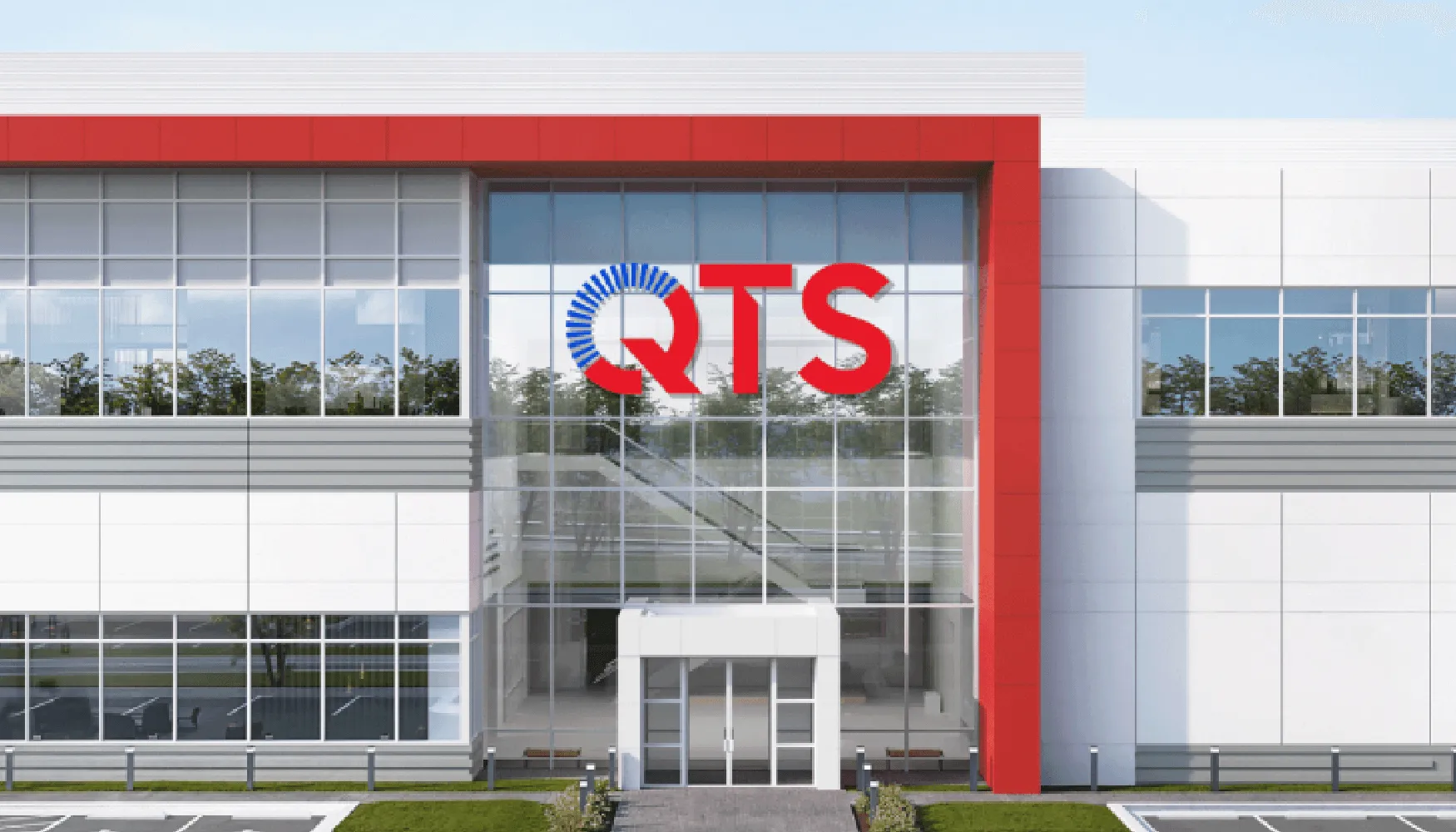
CLOVER, S.C.-Artificial Intelligence (AI) is now a near-universal digital utility in businesses and everyday life. With the rapid growing usage of AI, more databases, housed in data centers, are needed.
The government plans to invest around $500 billion in the Stargate project. This initiative is a part of the Trump Administration’s private deal to “revolutionize” infrastructure for the leading AI corporations such as: Oracle, OpenAI and SoftBank.
QTS Data Centers are one of the largest and fastest growing hubs for large-scale AI, cloud computing and high-performance computing workloads.
QTS currently has 14 new data centers in construction in addition to their near two dozen running locations.
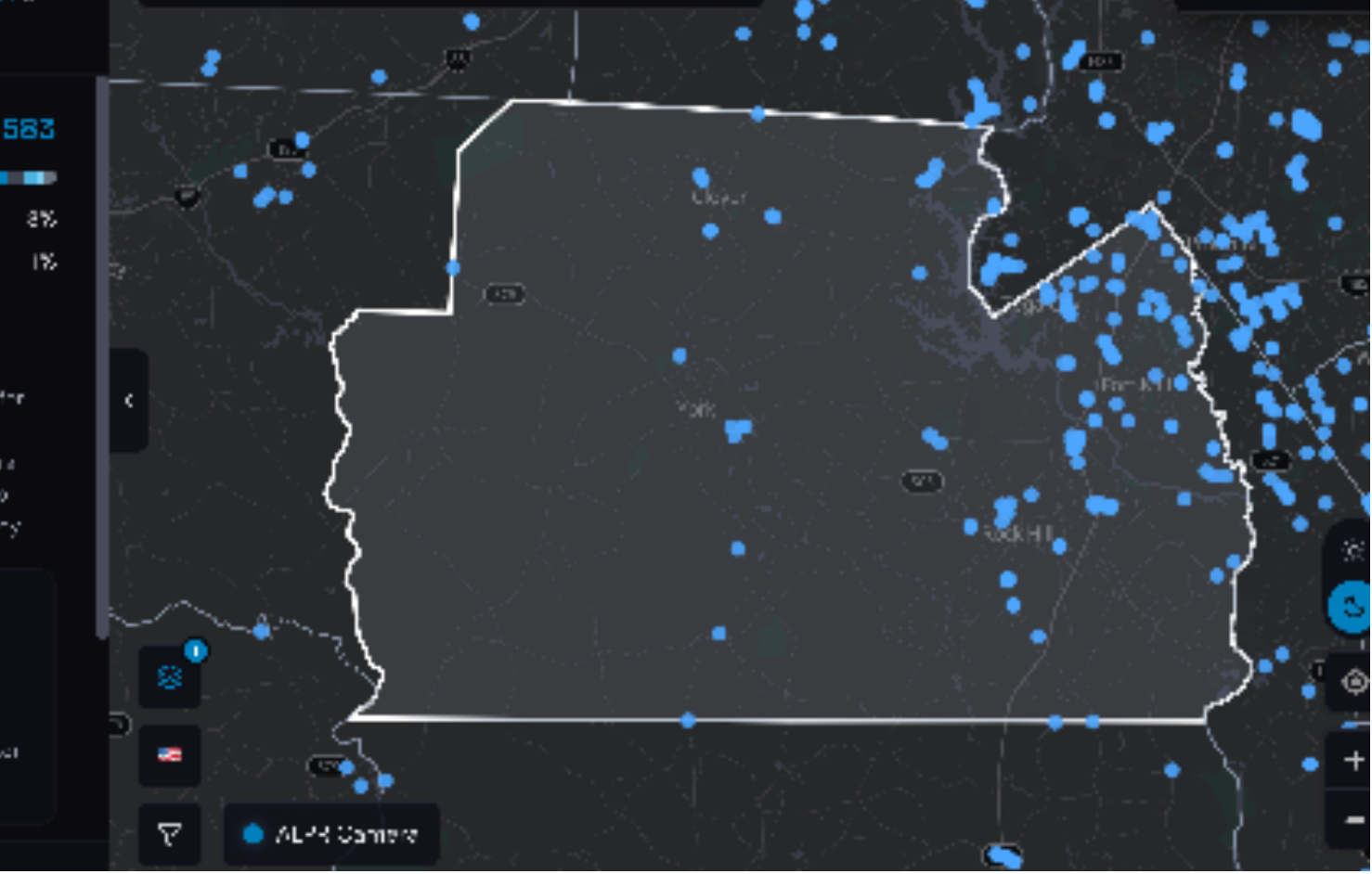
In 2023, QTS bought land in Lake Wylie and recently expanded that land to around 143 acres. The data center will cover this land, spanning across Handsmill Highway and Paraham Road.
According to the Environmental and Energy Study Institute (EESI), larger data centers can consume 5 million gallons of water daily, which is about equivalent to a town with a population of 30,000. To add, data centers must use fresh water, which is already scarce with only 3% of all water being fresh. For data centers to function without overwhelming their computers, they must use hefty amounts of water to cool their systems. Data centers in dryer locations pose a threat to the local water supply.
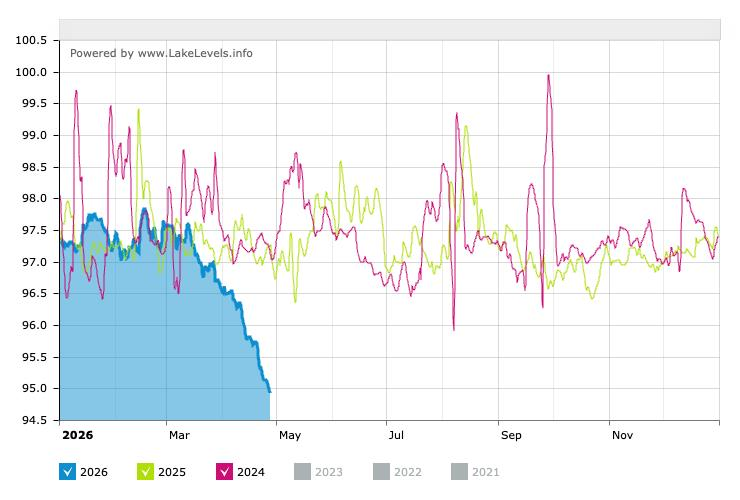
However, QTS states their water will come from York County Water & Sewer, which is Lake Wylie/Catawba River water that is treated and filtered, then purchased from the City of Rock Hill.
Unlike traditional data centers, QTS uses a closed loop system, which means water is recycled over and over through the system. This means that water is a one-time fill for the initial start of operations.
After operations begin, the system “does not withdraw, consume, or discharge water” says Karen Cohen, the QTS Senior Public Relations Manager. QTS says after that they only use another 20,000 gallons a month for appliances like toilets and sinks.
QTS data centers guarantee around 5 gigawatts of power to their privately signed customers. To put this into perspective, 4.8 gigawatts could power around 3.25 million homes struggling to pay electricity bills. QTS keeps the specific power needs of each data center confidential for security purposes.
Global warming is not a “new” topic whatsoever, but what is new is the exponential rate at which it is happening. 2024 and 2025 have been recorded as the most dramatic and warmest years for climate change. 2024 was also one of the “big boom” years for generative AI.
Since then, there have been thousands of data centers built, with plans for more. It can be predicted, and expected, that climate change will continue to be affected negatively.
According to their website, QTS is trying their best to not contribute to carbon emissions and global warming. They work to become carbon neutral and minimize environmental impacts.
QTS promised full transparency with Clover to maintain mutual trust, keeping our community up to date with the data center construction. Many believe QTS has not earned the trust of the Clover community due to suspicion that our County Council is not being forthcoming. York County Council Member Andy Litten has talked and posted about this topic on Facebook, for those looking for more information.
On an economic scale, QTS should benefit Clover. Their website states a study “found that between 2017 and 2023 the industry’s total fiscal support to federal, state and local governments increased from $66.2 billion to $162.7 billion”.
In spite of this, some are concerned about QTS paying a set fee in lieu of taxes. This means they will pay a set fee instead of normal property taxes for a contracted amount of time. However, Cohen says that the data center is “expected to boost regional growth and advancements”.
QTS is also working to disrupt the community as little as possible. There are many projects in development in the Clover and Lake Wylie area, making many concerned about having yet another construction site.
The base development is predicted to be complete in 2027. As development is speeding up, QTS says they will minimize impacts regarding dust, roads, cleaning, and traffic.
QTS is only a small part of South Carolina’s electricity cooperatives plan to up the rate of data center projects, according to the SC Data Center Development Act. Every data center company operates differently with different regulations and precautions.
Countless centers pump dangerous chemicals into the air and waste water, but some take the other side and work to be as environmentally friendly as possible. From the information shared, QTS positions itself as the second type of data center.
With everything said, the future is uncertain, but the Clover community should go into this new era with an open mind. QTS seems to be working to set a new standard to oppose the current stigma and backlash on data centers.