Honoring Black History in York
YORK COUNTY, S.C.- Every February, communities across the nation recognize Black History Month, a time dedicated to honoring the history, culture, and achievements of Black Americans.
In York County, that history is deeply rooted in the land, schools, churches, and historic sites that continue to tell powerful stories of resilience and contribution.
Historic Brattonsville
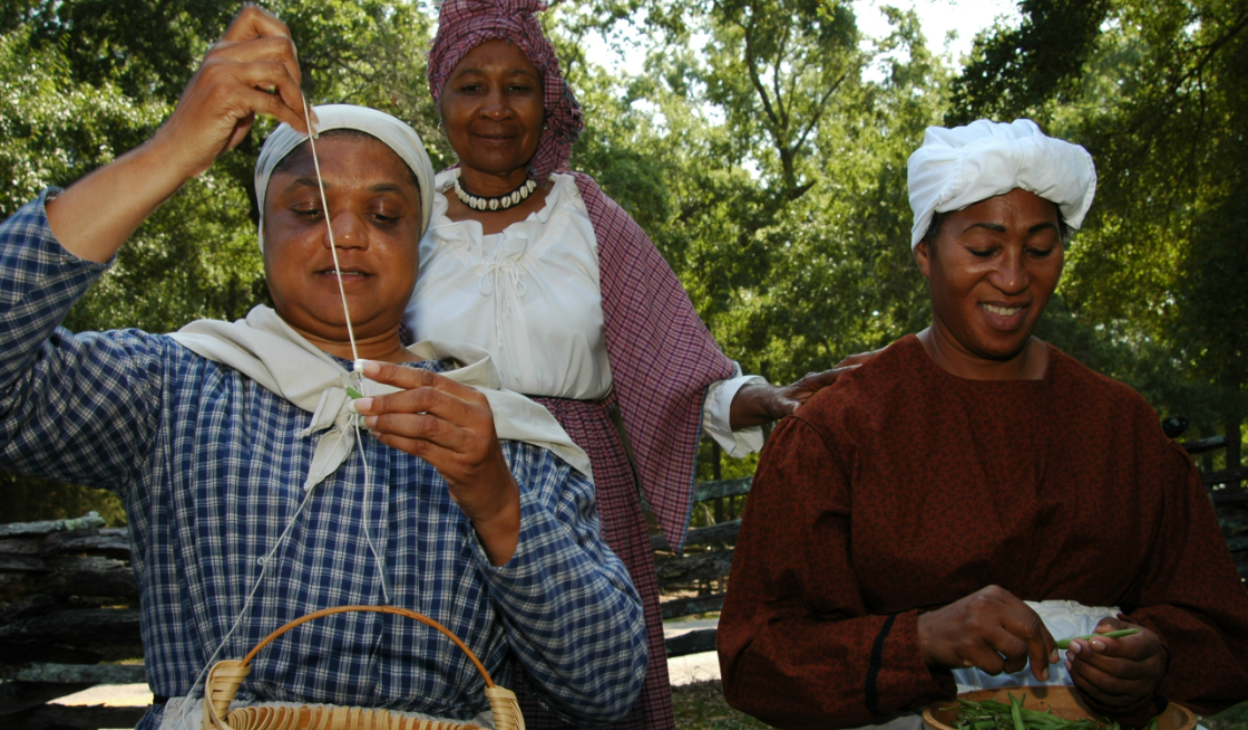
This important historical location is in McConnells, S.C. This living history site features a dedicated African American interpretation, which focuses on the history and experiences of enslaved people.
The site also includes original slave quarters and the Enslaved Ancestral Burial Ground, where 481 people of African descent are buried.
Throughout February, visitors can attend a special Saturday program titled “By Way of the Back Door: The Life and Times of Molly,” which explores African American life through the perspective of a woman who lived at Brattonsville from 1780 to 1865.
Roosevelt School
Black history is also closely tied to the Roosevelt School in Clover. During segregation, the school served as an all-Black K–12 school and was originally known as the first Clover Colored School.
Although the building was destroyed during integration in the mid-1960s, its legacy remains strong. The school once served as the hub for Black education in Clover before segregation ended. Today, a historical marker stands at the former site, which now includes three baseball fields, a playground, a basketball court, and picnic tables.
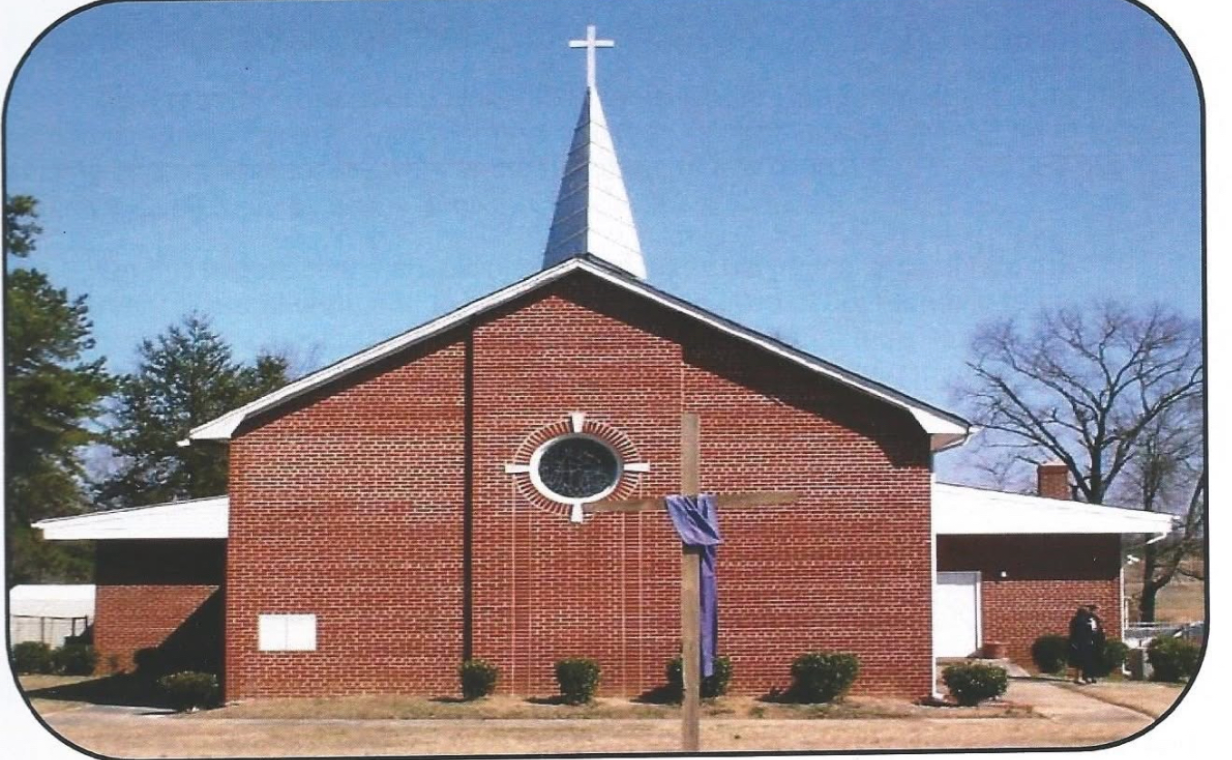
Green Pond United Methodist Church
This church has been a very important part of Black history in the area, serving as one of the earliest and longest-lasting places of worship for African-American residents.
At that time, Green Pond was widely the only church serving African-Americans in the Clover area and has remained an all-Black church, continuing to serve as a main gathering place for worship, fellowship, and mutual aid in the community.
Stellie J. Jackson served as the pastor of Green Pond Church, giving spiritual leadership and guidance to the congregation. Under his leadership, the church continued its mission of strengthening faith while also supporting the social and educational growth of the community.
For generations, the church has been a religious home. It has also served as a symbol of resilience, community unity, and the struggle for dignity and recognition.
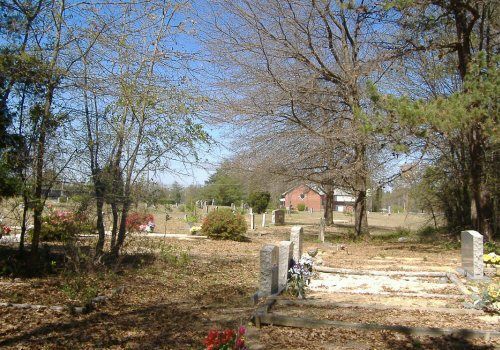
Green Pond Church Cemetery
Another significant site is Green Pond Church Cemetery, the first cemetery for Black residents in Clover. The cemetery holds the remains of many formerly enslaved individuals.
African Americans lived and worked in the Clover community before the Civil War, first as enslaved people and later as sharecroppers, farmers, laborers, and skilled workers who helped build the local economy.
Even during the hardships of slavery and the Civil War, African Americans played an important role in shaping the region.
Following the Emancipation Proclamation, formerly enslaved individuals in the Clover area began building independent lives. Many worked as sharecroppers or tenant farmers while striving to reunite families separated by slavery. During this time, African Americans established their own churches, schools, and neighborhoods, laying the foundation for strong Black communities that would continue for generations.
Black History Month serves as a reminder not only of the struggles Black Americans have faced but also of their strength, perseverance, and lasting contributions. York County’s historic sites stand as meaningful landmarks for future generations.