CSD Impact Fee Ordinance faces final vote
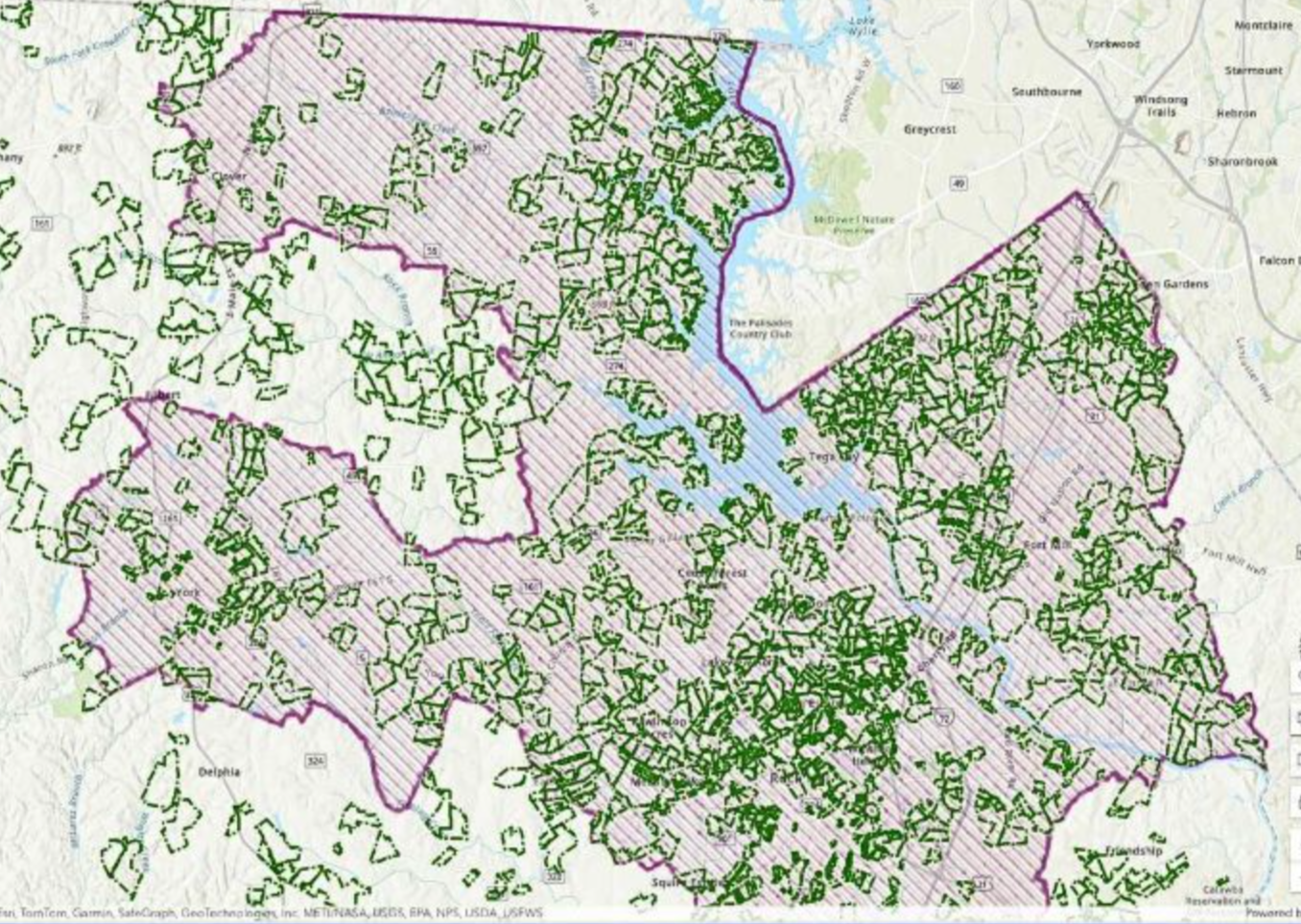
YORK - The Impact Fee Ordinance is up for its third and final reading on Dec. 15, 2025, after passing its second reading unanimously on Nov. 17. The ordinance sets impact fees at $15,035 for a single-family home, $7,430 for a multi-family dwelling unit, and $9,842 for a manufactured home, but applies only to the Urban Services Boundary within Clover School District.
The third reading was originally scheduled for Dec. 1 but was deferred until Dec. 15 to determine the legality of approving this ordinance for the Urban Service Boundary only. Though the second reading passed unanimously, that consensus may not hold for the final vote.
Arguments Supporting the Fee
District 2 representative Andy Litten and District 6 representative Watts Huckabee both support the full fee amounts, emphasizing that growth should pay for growth. Litten explained his position using a simple analogy: “If my family expands and I need a couple additional rooms, I don’t go to all my neighbors and ask them, ‘Hey, give me money so that I can add them to my house.’ I have to fund the whole thing.”
Both representatives argue that existing homes are already accounted for in the school system’s capacity, so current residents shouldn’t pay for infrastructure necessitated by new growth. They believe the council should defer to the School Board’s expertise as a fellow elected body. Huckabee stated, “I don’t think it’s our job as council members to make that determination,” adding that proper oversight occurs during the reimbursement process.
Litten reported receiving 90% positive community feedback supporting the fee.
Arguments Against the Fee
Despite these arguments, opposition exists. In an interview with WSOC-TV, council member William “Bump” Roddey stated he does not support the impact fee because he believes it is unfair to charge some areas while exempting others. Roddey also expressed doubt the plan will withstand legal challenges.
Council members raised concerns about long-standing residents paying impact fees when building new homes or when their children build on family land. Huckabee noted that while he supports impact fees in principle, exemptions should be considered for such situations and for elderly people without school-age children.
Housing affordability emerged as another concern, with members worrying that adding thousands of dollars to new home costs will make housing less accessible for working families.
Legal and Funding Concerns
The Urban Service Boundary limitation raised concerns about developers choosing to build outside the boundary to avoid fees, potentially pushing growth into areas lacking infrastructure.
A council member proposed increasing the debt service millage rate as an alternative. However, Litten discussed concern that increased taxes would drive current residents out of their housing. “If we raise taxes, we push people that live here and may not be able to move, may not have the means to move, or may not want to move. We’re going to force them out of their houses by raising taxes,” Litten explained. “People that are moving in, they can make a choice.”
Another member pointed to future QTS tax revenue. However, Litten clarified this money won’t arrive until 2028 or 2029. Of the projected $4.6 million annually, $4.2 million is restricted to operations and maintenance, leaving only $465,000 for capital improvements.
What’s Next
The Dec. 15 vote will determine how Clover School District funds growth-related infrastructure for the next five years. Residents can give input during public comments at the meeting.
Reporters reached out to council members after the first and second readings. District 1 representative Tommy Adkins, Litten, and Huckabee responded, with Litten and Huckabee consenting to interviews. Adkins was unable to schedule an interview due to time constraints.