
Government
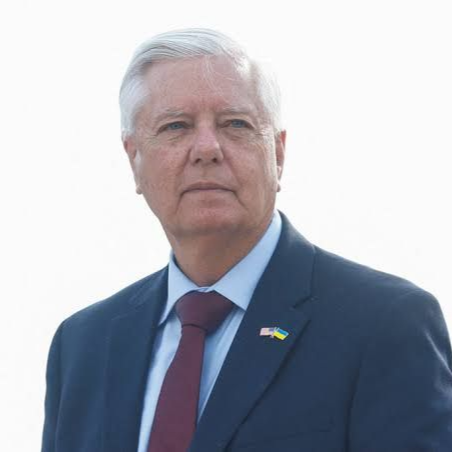
WASHINGTON — The senior senator from South Carolina, Lindsey Graham, died July 11 in his residence in Washington, D.C., at the age of 71. The cause of death was aortic dissection, according to the medical examiner. Senator Graham was not a career politician; he served more than 30 years in the U.S. Air Force before entering politics. His seat was temporarily filled by his sister, Darline Graham Nordone, on July 13, appointed by Gov. Henry McMaster. Despite not having any prior political experience, she is now the first female senator from South Carolina. Hopeful Republican candidates have one week to file between July 21 and July 28. According to the Board of Voter Registration and Elections, the Republican primary will be held Aug. 11. There is no registering for a party in South Carolina; however, voters can only vote for the party they declare during the primary cycle. According to the South Carolina State Election Commission, “The South Carolina State Election Commission (SEC) has completed its review of South Carolina election law regarding voter eligibility for the August 11 Special Republican Primary. Based on that review, voters who participated in the June Democratic Primary are not eligible to vote in the August 11 Special Republican Primary. Voters who participated in the June Republican Primary, or who did not vote in either party’s June primary, are eligible to vote in the August 11 Special Republican Primary.” The winner of the primary will be the Republican nominee on Election Day, Nov. 3. Dr. Annie Andrews will remain the Democratic Party nominee. In his tenure as senator, Graham was known for both his close but ultimately tumultuous relationship with President Trump and his ability to work across the aisle — a trait many say is needed now more than ever. In 2023, the Lugar Center ranked Graham in the top third of senators for bipartisanship. Examples include voting to confirm both of Obama’s Supreme Court nominees, Elena Kagan and Sonia Sotomayor, while also blocking the nomination of Merrick Garland. Democratic Sen. Cory Booker even called him an “unlikely friend” during a social media video posted after Graham’s death. Graham served in the state House of Representatives for one term before being elected to the U.S. House of Representatives in 1995. He served as the representative for South Carolina’s 3rd District for eight years. Graham campaigned for his Senate seat after long-term senator and professional friend Strom Thurmond announced he was not going to continue his career as a senator. Graham served for 23 years. During the latter part of his tenure, he was chair of the Budget Committee. Graham served the nation as an active-duty member of the Air Force for seven years, then another combined 26 years between the Air National Guard and later the Air Force Reserve. For his service, he was awarded the Bronze Star. He was an alum of the University of South Carolina with a bachelor’s degree in psychology and a Juris Doctor from the University of South Carolina School of Law. Upon graduation, he became a commissioned officer of the JAG Corps. Graham died in a way most people wish they would, doing what they loved. Graham returned to his residence in D.C. after a meeting in Kyiv with President Zelenskyy, where he sought to discuss a push for more humanitarian and military aid for the war-torn country. He was negotiating deals up until his untimely death. Early in his political career, Graham was an advocate against the rights of foreign combatants in U.S. custody. The ACLU reports he did not believe that they deserved legal representation. Graham was also a vocal proponent of “World War II”-style freedom of speech restrictions during an interview with “60 Minutes.” PBS News reported that in 2013, “Graham and his close friend Arizona Senator John McCain tackled another politically perilous, but critical issue, immigration. As one of the so called Gang of Eight, Graham helped push immigration reform through the Senate, aiming to block illegal immigration with more border agents while offering a path to citizenship for those already in the country.” Graham was known to change his viewpoint from time to time. For example, he saw Roe v. Wade as precedent and said in an interview it “should not be overturned without good reason.” Upon its overturning, Graham said that this topic should be left to the states, as it always should have been. Two months later, in September 2022, NBC News reported he “introduced legislation to institute a federal ban on abortion after 15 weeks.” His views on Trump also changed. When running against Trump in 2015, he expressed that Trump did not “represent my party,” as reported by PBS News. However, as Trump entered the presidency, Graham became a trusted ally. Ukrainian President Volodymyr Zelenskyy, who said Graham had visited the country 10 times since Russia’s invasion began in February 2022, called him “a true defender of freedom and the values that make our world safer.”

A new bill has been passed and is awaiting Governor McMaster’s approval, and it could change how minors use social media and screen time overall. The South Carolina Social Media Regulation Act passed the General Assembly and was ratified by the State Senate. Aimed to protect minors and set restrictions on large tech companies, the goal would require those companies to provide tools to limit addictive features. If passed, this would allow parents to restrict their child's access to social media platforms mostly during the later hours, from 10 P.M. to 6 A.M. Another goal of the bill is to limit social media during school hours. This bill was passed by lawmakers to make companies give more power to parents. The goal is more parental control and to protect minors from harmful or explicit content when they are online. This also limits how much data social media companies can collect on minors and limits platforms that earn more than 25 Million dollars from doing so. This won’t be the lawmakers' only move as they plan to further push to make tighter protection for minors. The bill raised concerns for places such as small-owned businesses that rely on social media to promote products. An additional concern is reaching customers through social media. It would be addressed as only targeting for one demographic and would not damage any small businesses. Under the new proposed law, social media companies would be charged for handling minors' data, such as collecting and sharing. If improperly reported data comes the social company is charged. They would need to make reports from third-party auditors detailing features and the minors' activity. Failure to do so cost them. Governor McMaster will review the bill being passed once it hits his desk, and if signed, the new law will take effect. The bill passed both the House and Senate and was sent to the Governor on February 4, 2026, but it will take effect as soon as Governor McMaster signs it off.

SC Lawmakers are a step closer to dismantling the 113-year-old South Carolina High School League. The SCHSL is the governing body for high school athletics in SC. This move marks a long-running feud between the General Assembly and the league, which has overseen sports in the state since 1913. Under the House Bill 4163, State leaders cited multiple primary reasons from multiple legislative complaints. Student athletes public safety, Pointed out by legislators, failures to ensure EMS staffing at athletic contests showed a lack of accountability by SCHSL. This is one of the big reasons why legislators want to dissolve the league. Transferring: a changed transfer rule would allow student-athletes to be eligible to play immediately after transferring once during middle school and once during high school. The current league rule forces student-athletes to sit out a season unless they win a formal appeal. The changes won’t be huge, but they will be significant and include revamped rulings in South Carolina Sports. The S.C. House of Representatives voted 112-0 to pass the bill, but it was heavily revamped and allowed SCHSL to keep its name. This changes multiple rulings and is put under legislative oversight and a few other agencies. Clover High School's Athletic Director Bailey Jackson, when asked about issues with SCHSL, said, “I would be in favor of being more strict on the transferring, they're moving in another direction where it's less strict. The new rules will eliminate 16 different exceptions and one free transfer.” “As for them supposedly favoring charter schools, if they live outside the little attendant zone. They only have 500 to 600 kids as opposed to 2,800 like we do. They are put in a bigger classification to balance it. It's called competitive balance to make it more competitive.” “The EMS situation in my opinion is an isolated event, we have athletic trainers and like any other school we all have emergency action plans written down that goes through every specific thing that we could possibly encounter. Injuries and transport to the hospital is one of them.” With the bill potentially going into effect and significant pressure from SC lawmakers. As of March 2nd, Jerome Singleton, the SCHSL Commissioner since 2005, is now set to retire as late as July 1st, 2027 with approval of the league executive committee unanimously approving of his said retirement. As of early 2026 the bill has passed the state house. The bill still has to be passed by the state senate and signed by Governor Henry McMaster. Moving from SCHSL to a more state-controlled athletics, would be the most significant reorganization of South Carolina youth sports in 113 years.
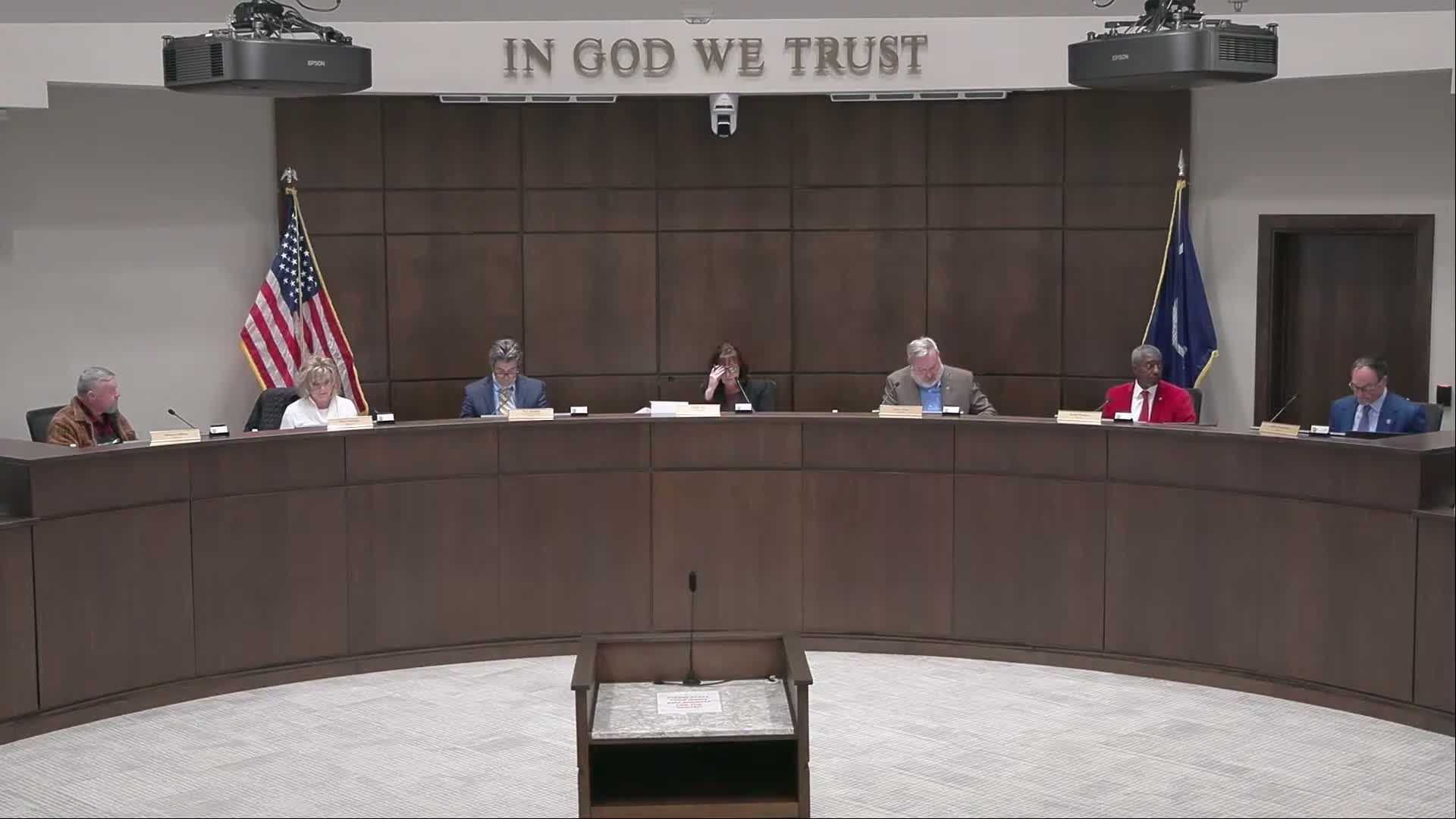
YORK COUNTY - York County Council approved an impact fee for Clover School District on Dec. 15, setting the amount at $8,000 for single-family homes.
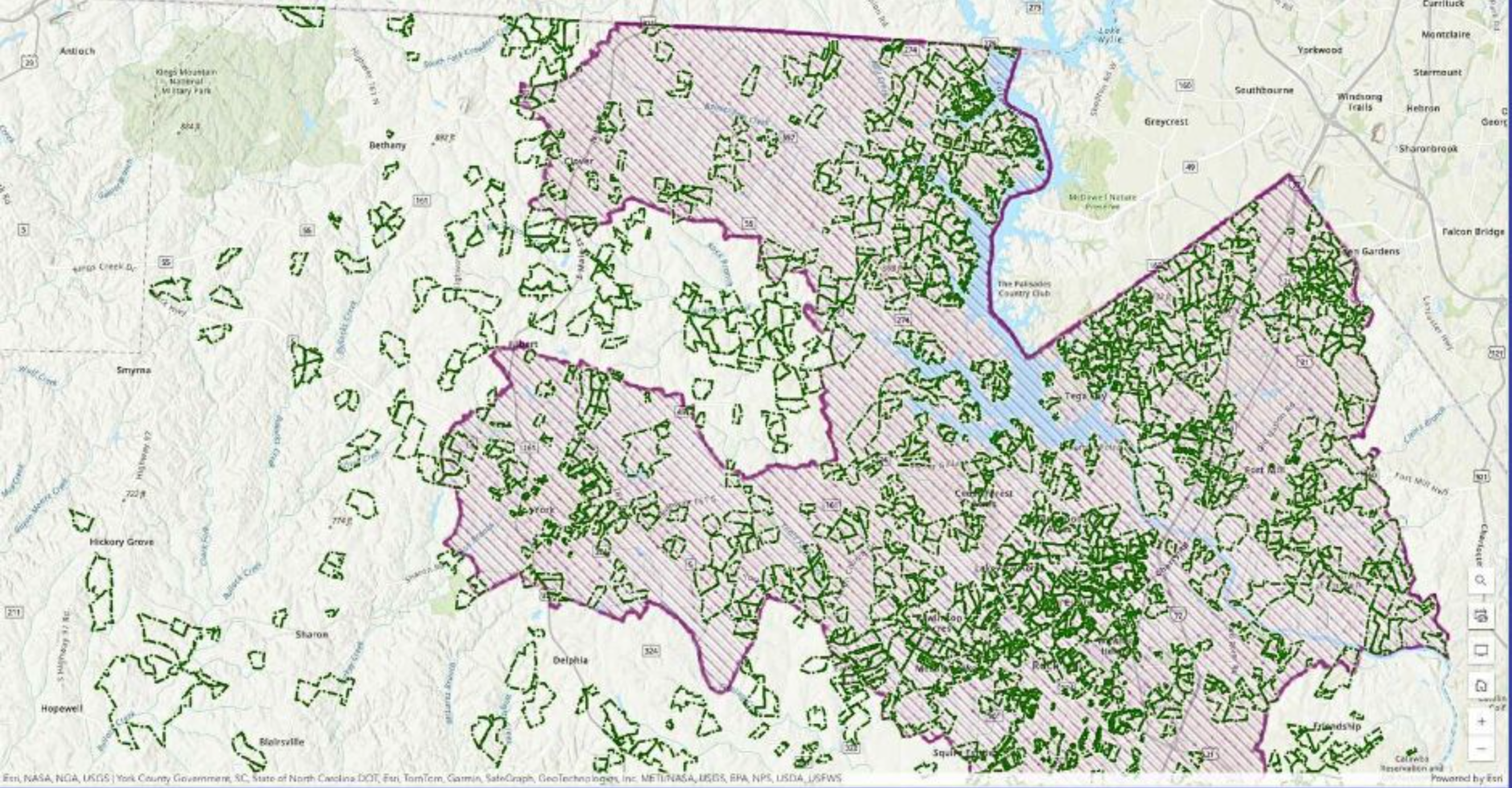
The Impact Fee Ordinance is up for its third and final reading on Dec. 15, 2025, after passing its second reading unanimously on Nov. 17. However, it only applies to the Urban Service Boundary.
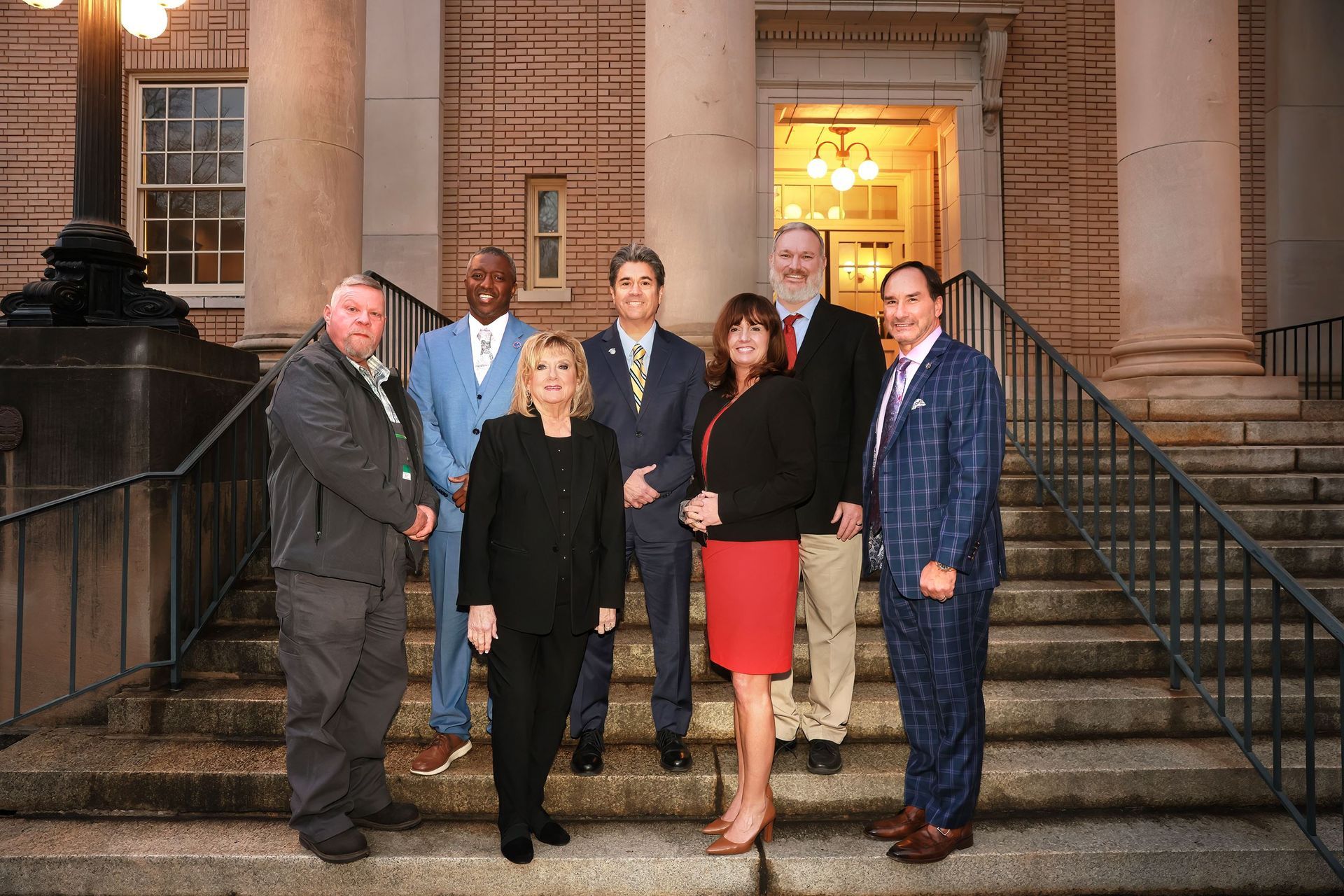
York County Council listens to D2 residents: Approves impact fees

YORK, SC - York County Council met on Feb. 3 and Feb. 17 to hear multiple issues. Most zoning business was approved, as well as an approval for expenditures from the Pennies 5 program. Zoning Issues Case #24-63 involves rezoning two parcels that total 6.73 acres on Dulin Road in Clover from Urban Development (UD) and Residential Mixed 20 (RMX20) to Rural Development (RUD).
YORK, SC – York County Council met twice in January, on the sixth and on the 21. Items for discussion included the need to weigh property owners' rights with the need to limit the growth of residential housing in the area, a proposed application for a grant from the SC Opioid Recovery Fund, and a presentation on the 2024 fiscal year audit.